

The Mechanics of Delegatecall in Solidity
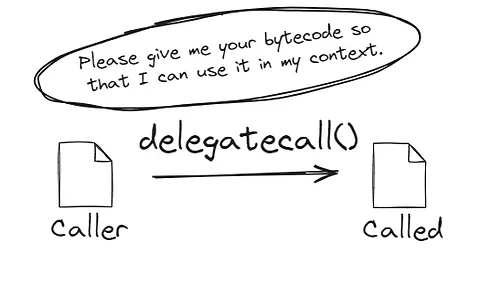
As seen in the Vkings Smart contract Hacking Community In Solidity, the delegatecall is a powerful but highly dangerous function. It allows a smart contract to execute code from another contract, but crucially, it executes that code in the context of the calling contract. This means if Contract A delegatecalls to Contract B, Contract B can modify Contract A’s storage. In Pokemon staking platforms, where users lock up their cards to earn rewards, a delegatecall smart contract exploit can allow a hacker to completely rewrite the storage of the staking contract, granting themselves ownership of everyone’s staked Pokemon cards.
Hijacking Storage Slots for Rare Cards
Imagine a Pokemon staking contract where storage slot 1 holds the address of the admin, and storage slot 2 holds a mapping of who owns which staked Pokemon card. A hacker finds a way to execute a delegatecall to a malicious contract they control. The malicious contract writes a new address to storage slot 1, making the hacker the admin. Because of how the delegatecall smart contract exploit works, this change happens inside the staking contract itself. The hacker can now call admin-only functions to instantly withdraw every single rare Pokemon card locked in the staking pool.
The Catastrophic Loss of Staked Assets
Staking platforms are attractive because they offer high yields on valuable Pokemon cards. Users lock up their 1st Edition cards or rare holographics, expecting to earn passive income. When a delegatecall smart contract exploit is executed, the illusion of security is shattered. The hacker drains the entire pool of high-value Pokemon cards in a single transaction, leaving the legitimate users with nothing but worthless yield tokens and a completely emptied smart contract.
Laundering Stolen Staking Pokemon Cards
Stolen Pokemon cards from a hijacked staking pool represent a massive liquidity event. The hacker cannot simply dump thousands of rare cards on a decentralized exchange without causing a massive price crash and alerting the entire community. Instead, they use the private networks found on blockchain Hacking Forums to orchestrate private auctions. Whales and other malicious actors buy these stolen Pokemon cards at steep discounts, slowly introducing them back into the legitimate market over months to avoid detection.
Why Delegatecall is Necessary but Dangerous
Delegatecall is the underlying mechanism behind proxy contracts and many modular smart contract architectures. It is almost impossible to build a complex, upgradeable Pokemon staking platform without using it. However, its power makes it the most common vector for a catastrophic smart contract exploit. If the execution context is not perfectly managed, any external contract called via delegatecall has the power to destroy the state of the Pokemon staking contract.
Case Study: The Phantom Admin Upgrade
A high-yield Pokemon card staking protocol was destroyed by a delegatecall smart contract exploit. The developers used a library contract to handle the staking logic, calling it via delegatecall. However, they did not properly initialize the storage layout of the library. A hacker realized they could interact directly with the library contract and invoke a function that updated an admin variable. Because of the delegatecall context, this updated the admin variable inside the main staking contract. The hacker became the admin and stole millions of dollars worth of staked Pokemon cards.
Auditing Storage Layouts to Prevent Exploits
Preventing this smart contract exploit requires absolute mastery of the Ethereum Virtual Machine’s storage layout. Developers must ensure that any contract called via delegatecall has a storage layout that perfectly matches the calling contract. Using uninitialized storage pointers is a fatal flaw. Security auditors specifically look for delegatecall usage in Pokemon contracts and meticulously trace the storage slots to ensure no external contract can maliciously overwrite critical state variables like admin addresses or Pokemon card balances.
The Future of Secure Pokemon Staking
To safely lock up high-value Pokemon cards, the community must demand extreme transparency from staking platforms. Projects should avoid complex, custom delegatecall architectures unless absolutely necessary. Utilizing battle-tested, standard proxy patterns and undergoing multiple rigorous audits by top-tier security firms are the only ways to ensure that a delegatecall smart contract exploit does not result in the total loss of the community’s prized digital Pokemon assets.