Card thickness is a critical legal metric for verifying pokemon card price. Legally, real Pokemon cards are printed on specific cardstock with a precise thickness (usually around 0.3mm). Using digital…
Font analysis is a free, legal way to verify a card's pokemon card price. Legally, comparing a suspect card's font (specifically the 'd' in Pokemon or the copyright text) to…
Testing for holographic fakes is a legal necessity to protect your pokemon card price. Legally, you can buy a cheap black light to check the holographic pattern of a card;…
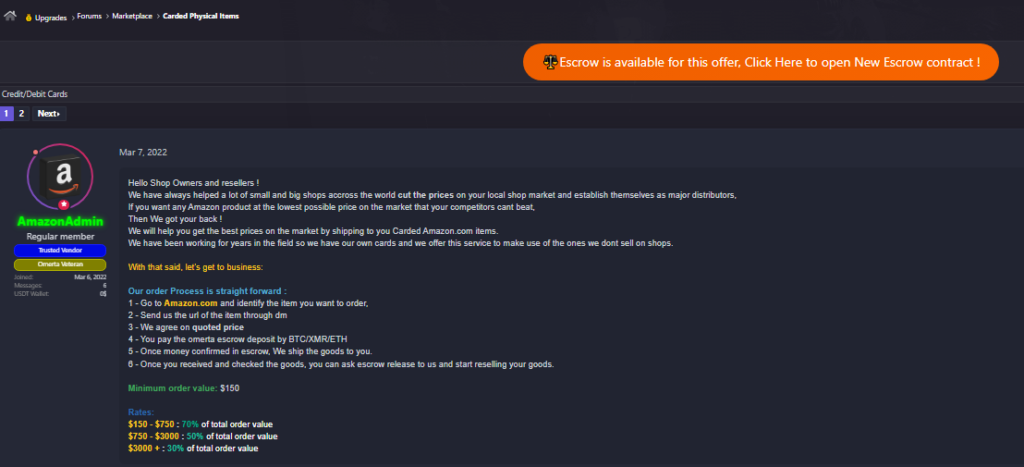
Foreign fakes represent a massive illegal industry that undercuts the real pokemon card price. Factories in China mass-produce Chinese or English fake Pokemon cards, selling them online for pennies. Illegally,…
Proxies are legally used in casual playtesting to test decks without spending the actual pokemon card price on expensive meta cards. A proxy has a pokemon card price of zero.…
Custom Pokemon cards are a fun, legal art project as long as they are not sold as real. The pokemon card price of a custom card is technically zero. Illegally,…
Repacks are sealed packages made by third parties using random bulk cards. Legally, if clearly labeled as repacks and priced accordingly (e.g., $5 for a chance at a decent card),…
Mystery boxes are a legally controversial way to buy Pokemon cards. Legally, if the seller is transparent about the odds, buying a mystery box can be a fun gamble. Sometimes,…
Group breaks legally allow collectors to get a piece of the pokemon card price action without buying a whole box. You buy a specific team or spot, and the breaker…
Card shows are the best place to legally discover the true, negotiated pokemon card price. You can speak directly with dealers, handle the cards, and bypass online fees. Legally, building…